

In a crushing plant, producing more tonnes per hour does not necessarily mean producing more profitably.
The true performance of an installation also depends on energy consumption, component wear, maintenance downtime, recirculation and, above all, the amount of usable product obtained.
That is why, in addition to analysing production capacity, it is important to know how much each tonne really costs to produce.
1. Maintain a steady feed
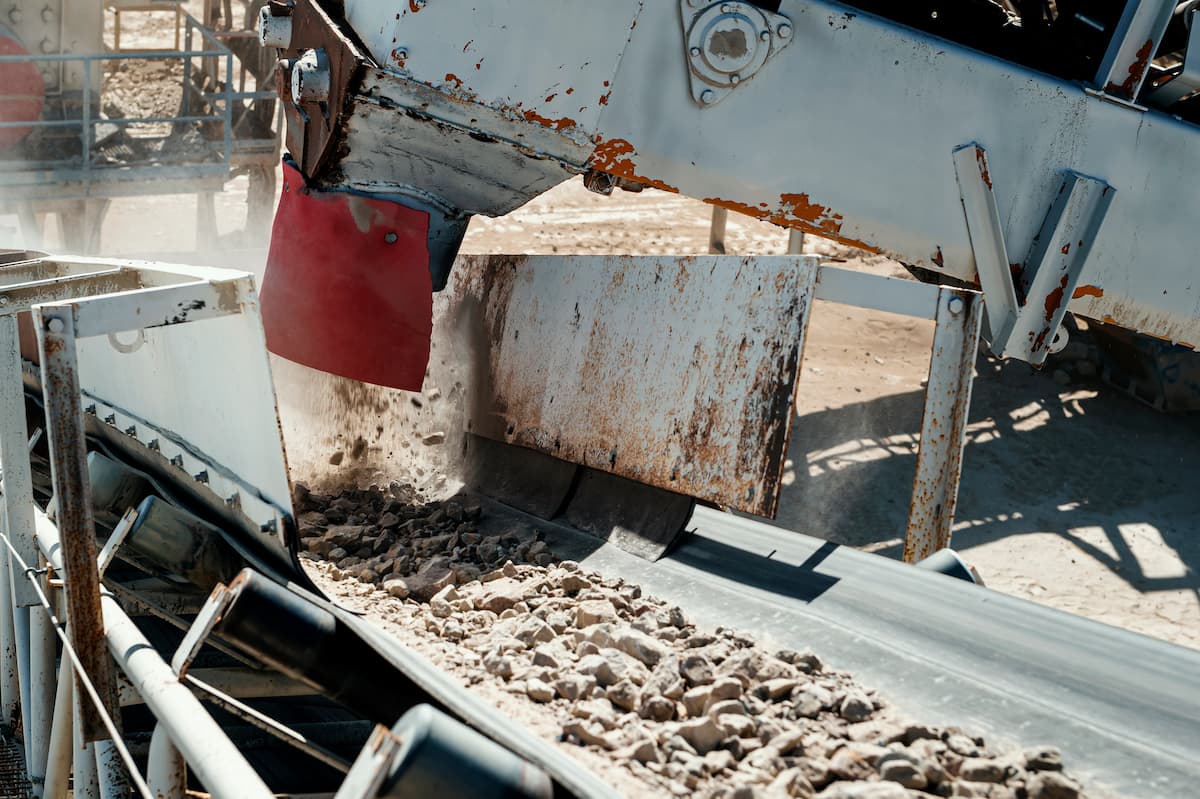
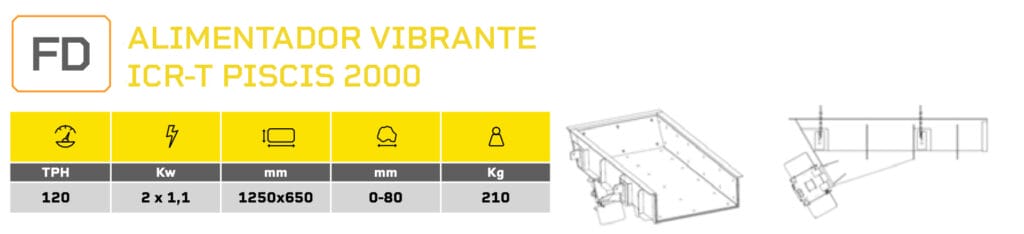
A crusher performs best when it receives material continuously and within the parameters it was sized for.
An irregular feed can lead to production losses, uneven wear, higher energy consumption and variations in the final grading.
For this reason, feeders, hoppers and control systems have a direct influence on the overall performance of the plant.
2. Analyse wear per tonne
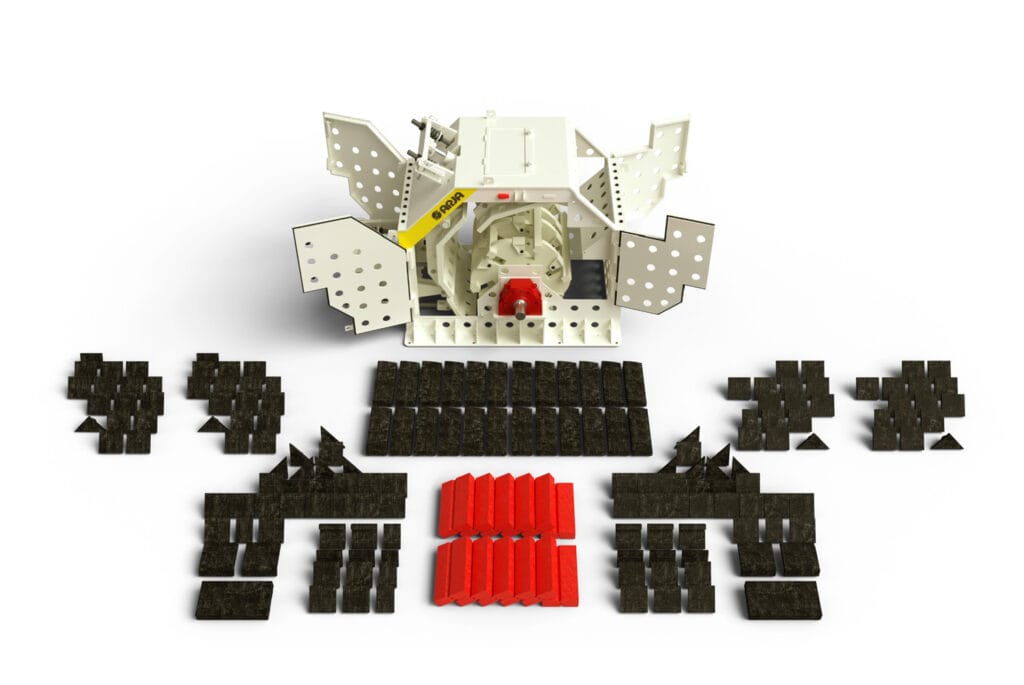
Blow bars, impact plates and liners are part of the normal operating cost.
But comparing the price of a part is not enough. What really matters is knowing how many tonnes it can process before it needs replacing, and what its real cost per tonne produced is.
In addition, observing the wear pattern can help detect problems with the feed, settings or material distribution.
3. Control recirculation
In a closed circuit, part of the material returns to the crusher until it reaches the required grading.
Recirculation is necessary, but too much of it means conveying, screening and crushing the same material several times. This consumes energy and plant capacity.
If the circulating load is too high, it is worth reviewing the settings, the screening, the condition of the screen meshes and the characteristics of the material.
4. Avoid crushing more than necessary
Trying to achieve too much reduction in a single stage can increase wear, energy consumption and the generation of fines. In certain applications it is more efficient to spread the process over several stages.
That is why, to size an installation correctly, knowing the tonnes per hour is not enough. Feed size, final grading, type of material, abrasiveness, moisture and the required reduction ratio must also be taken into account.

5. Measure usable production
Not all tonnes produced have the same value.
A plant may have a high total capacity but generate too much off-spec material or an excessive amount of fines.
Therefore, in addition to tonnes per hour, it is worth analysing what percentage of production actually meets the required commercial specifications. Grading and cubicity are also part of profitability.
6. Prevent unexpected stoppages
A breakdown does not just mean repairing a machine. It also means lost production hours.
Regularly checking wear parts, bearings, temperatures, vibrations, lubrication and settings makes it possible to detect problems before they cause a stoppage.
Good preventive maintenance helps improve the availability of the whole installation.
The plant must be analysed as a whole
A crushing plant is a system made up of feeders, crushers, screens, conveyors and recirculation circuits.
Improving a single machine does not always increase overall production. In many cases, the real bottleneck lies elsewhere in the process.
That is why reducing the cost per tonne requires analysing the complete material flow and finding the right balance between capacity, consumption, wear, maintenance and final product quality.
At ARJA we design and manufacture crushing equipment taking into account the characteristics of the material, the required production and the real working conditions of each installation.
Because a plant’s performance should not be measured only by the tonnes it produces.
What each of them costs to produce matters too.