
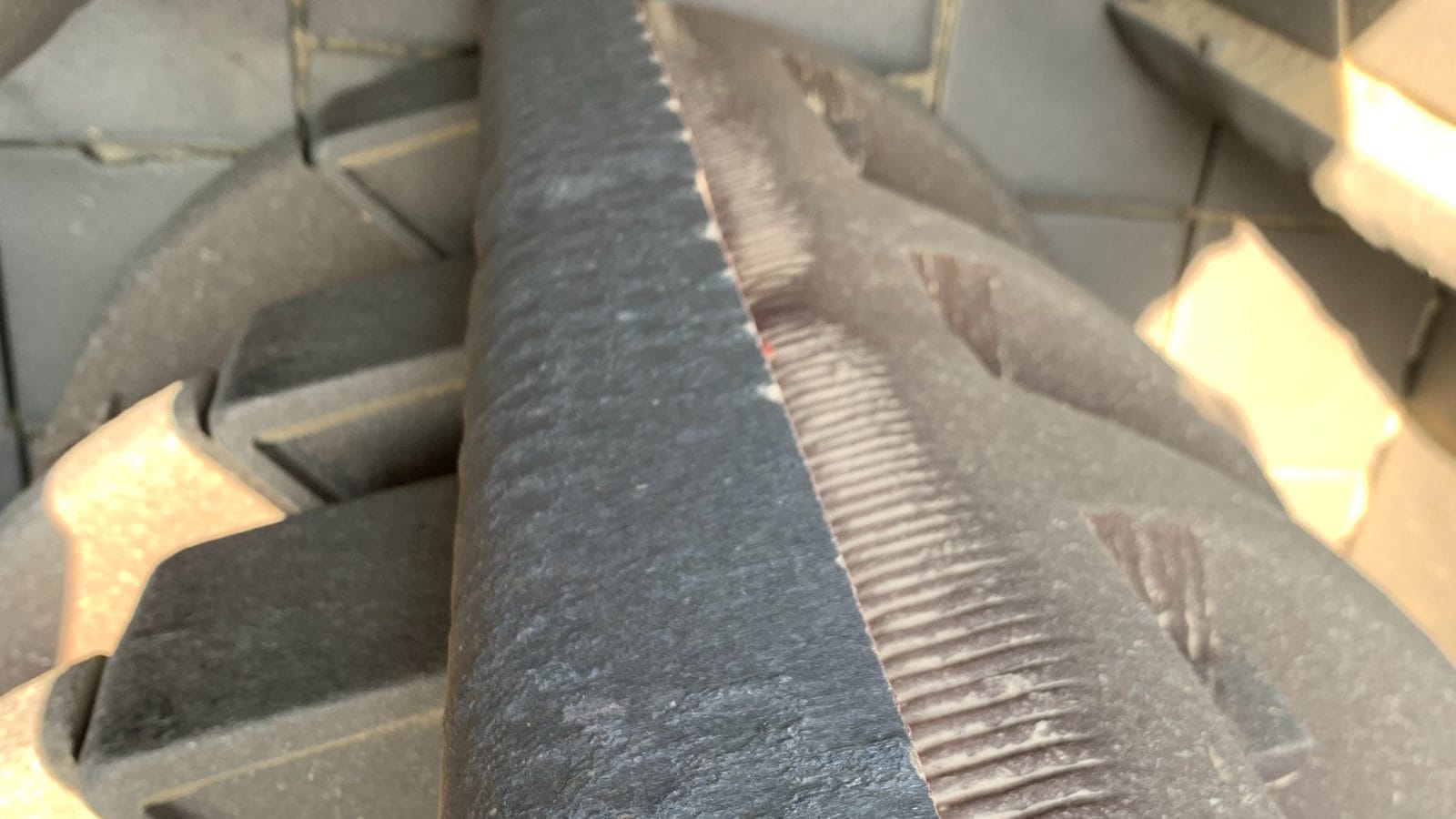
Blow bars are among the main wear parts of an impact crusher. During crushing, they strike the material and help reduce its size. Their wear is natural, but the pattern and rate at which it occurs provide valuable information about how the machine is working.
Checking their condition helps detect irregularities in the feed, review the operating settings and assess whether the alloy used is right for the application.
Even wear: a sign of well-distributed feed
Relatively even wear across the width of the bars usually indicates that the material is spread evenly at the crusher inlet. This makes better use of the working surface.
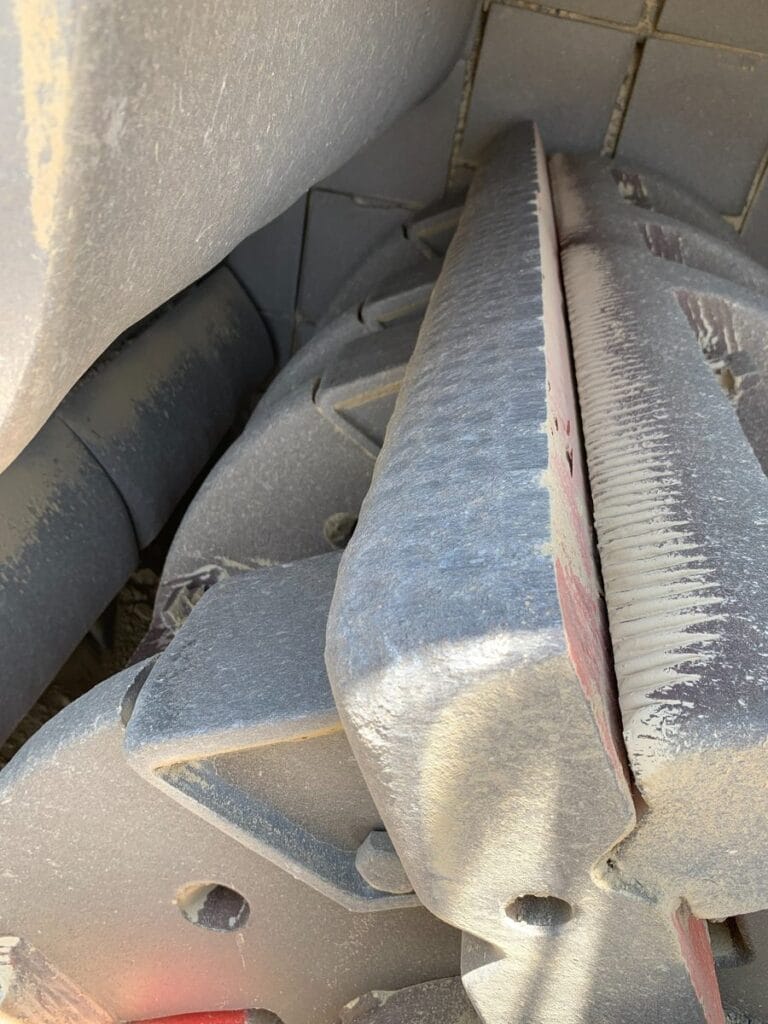
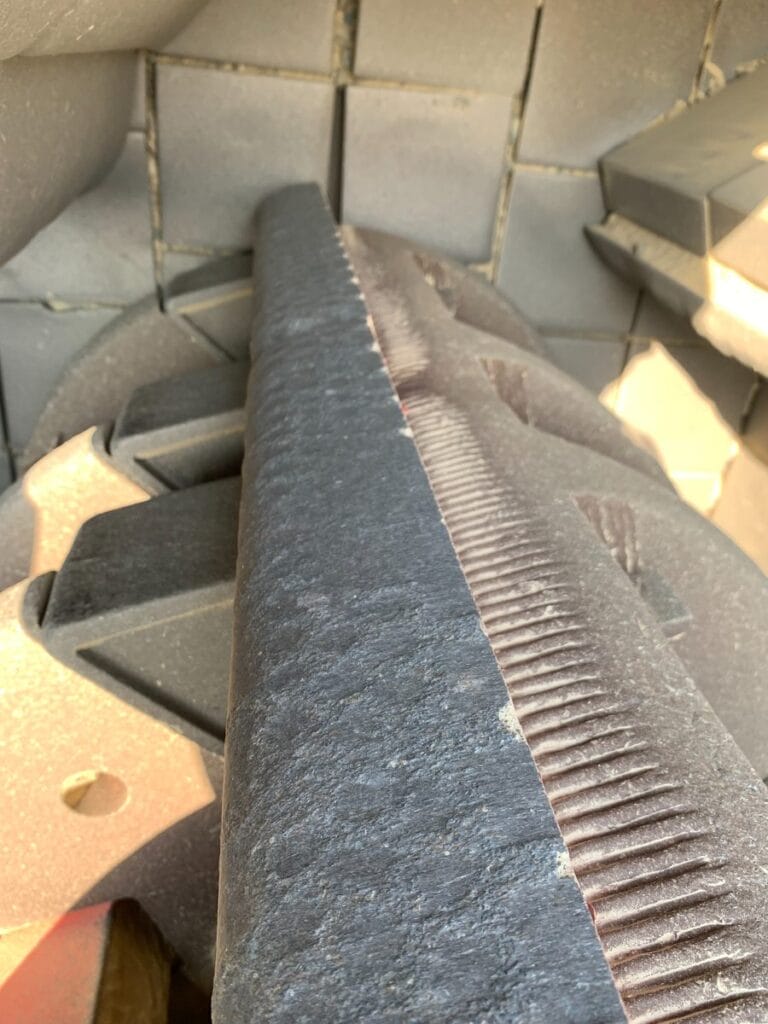
However, evenness is not the only thing that matters. If the bars wear too quickly, it is also worth reviewing the material characteristics, the operating conditions and the selected alloy.
Uneven wear: check how the material is fed
When one end of the bar is more worn than the other, it may be receiving more material. Possible causes include off-centre feeding, uneven distribution from the belt or feeder, or incorrect levelling of the plant.
If wear is concentrated in the centre, it may indicate that the material flow is only using part of the available width.
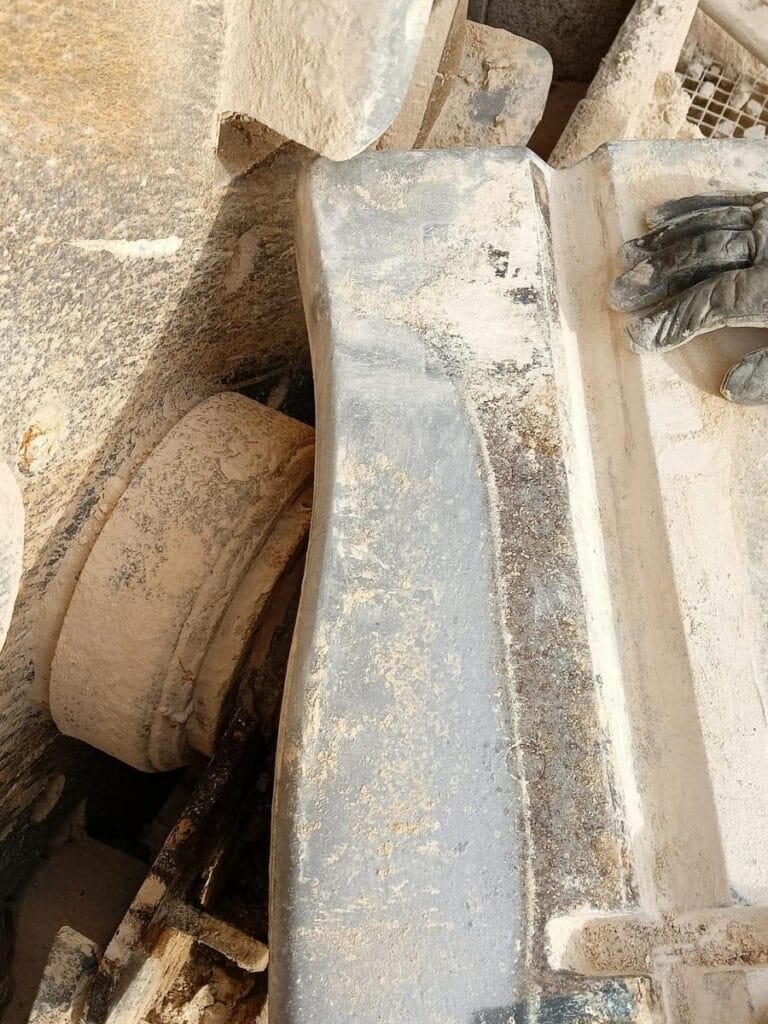
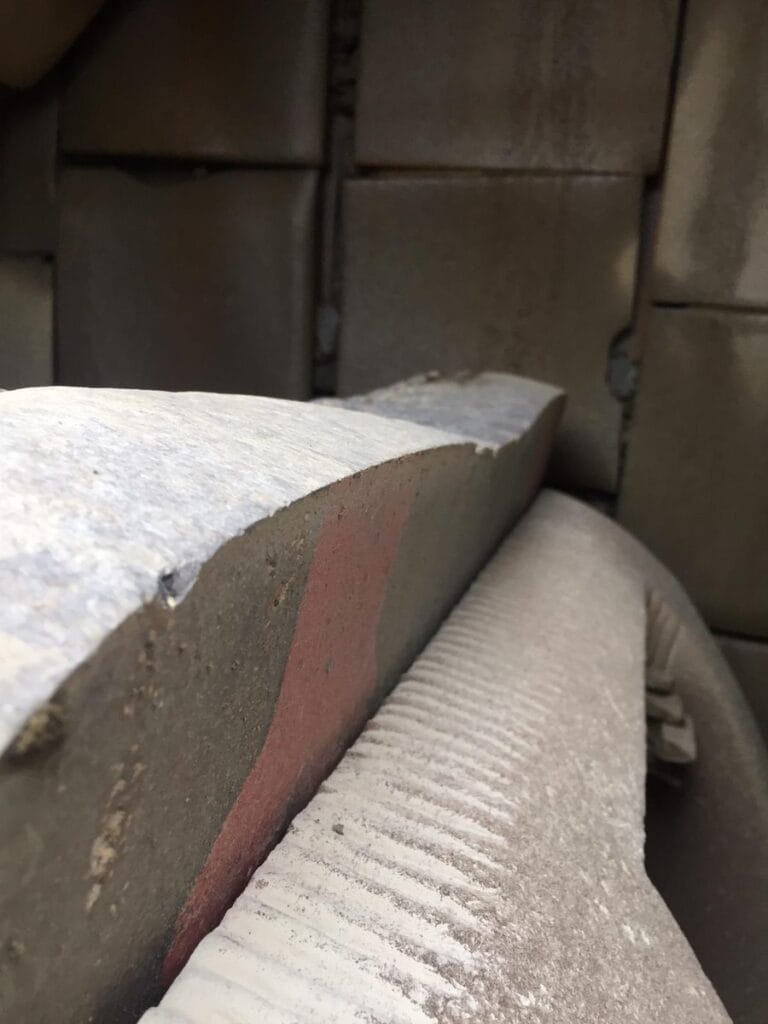
Correcting the feed distribution helps get more out of the bars and prevents one area from reaching its wear limit prematurely.
Accelerated wear: analyse the application as a whole
A shorter-than-expected service life does not necessarily mean the bar is defective. Wear depends on several factors that must be assessed together:
- Material abrasiveness. The rock composition has a direct impact on wear part consumption.
- Presence of fines. Excess fines passing unnecessarily through the chamber can increase abrasive wear.
- Rotor speed. It affects impact intensity, material reduction and wear.
- Feed conditions. Feed size, flow rate and material distribution determine how the bars work.
- Selected alloy. It must offer the right balance between wear resistance and impact resistance for each application.
- Material moisture. With some alloys, it accelerates wear.
That is why, before changing the type of bar, it is important to understand the real conditions in which the crusher is working.
Cracks and breakages: signs that require a specific inspection
Cracks, significant chipping or breakages must be distinguished from normal progressive wear.
This damage may be related to uncrushable material entering the crusher, unsuitable feed sizes, an alloy that is not appropriate for the impacts received, or problems with supports and fastenings.
Identifying the cause is essential to prevent the problem from recurring after the bars are replaced. The inspection must be carried out with the machine stopped and secured, following the manufacturer’s instructions.
How wear affects the final product
As the bars lose material, the distance between their working surface and the impact plates changes. If the settings are not reviewed, this variation can alter the output grading and affect the performance of the circuit.
In plants where screen oversize is returned to the crusher, a higher proportion of out-of-spec material can also increase the recirculating load.
That is why wear monitoring should go hand in hand with checking production and the quality of the aggregate produced. In addition, respecting the wear limits set by the manufacturer helps prevent damage to the rotor and the bar seats.
Measuring service life beyond operating hours
Operating hours alone are not enough to assess the performance of a set of blow bars. Two crushers can run for the same time and process very different quantities of material.
Recording the tonnes processed per set of bars and the wear cost per tonne, together with the material processed and the settings used, allows for more meaningful comparisons.
Monitoring with photos and regular measurements makes it easier to spot changes in the wear pattern and plan replacements.
Blow bars provide information about the entire operation. Interpreting their wear correctly helps improve feeding, fine-tune the process and reduce the cost per tonne produced.